
Last Updated at Dec 29, 2024 by Bloomy Indoor - 11 min read
I Reveal Whether Spider Plants Are Monocot or Dicot
Uncover the truth about spider plant classification - are they monocots or dicots? My step-by-step guide reveals the answer and helps you identify your plant.
Table of Contents
When I explore spider plants, many ask about their type. Are they monocot or dicot? To answer, we must know the difference between these two plant types. Spider plant classification is key for those who love plants, helping with care and upkeep. For more on plant care, check out a spider plant care guide.
Chlorophytum comosum, or the spider plant, is a monocot. It comes from Southern Africa and has spread to other places. Knowing if spider plants are monocot or dicot is vital for their care. This knowledge falls under spider plant classification and taxonomy.
Key Takeaways
- Spider plants are classified as monocots, with unique features like parallel leaf veins and scattered stem vascular bundles.
- It’s important to understand the differences between monocot and dicot plants for proper spider plant care.
- Spider plant classification and taxonomy are crucial for plant lovers.
- Spider plants can purify the air, removing common toxins from homes.
- There are over 350,000 plant types, with vascular plants being the most common.
- Monocots have embryos with one cotyledon, while dicots have two.
Understanding Plant Classification
Exploring the world of plants, I see how vital it is to know the difference between monocot and dicot plants. Plants are classified based on their features. This helps us identify and study them. With over 300,000 species of flowering plants worldwide, a clear system is key.
Monocots and dicots differ in physical traits like cotyledons, leaf veins, and flower parts. Monocots have leaves with parallel veins, while dicots have net-veined leaves. This distinction is crucial for botanists and plant lovers. It helps us understand plant relationships.
The Basics of Monocots and Dicots
Monocots include lilies, palms, and grasses. Dicots include most broadleaf herbs, shrubs, and trees. Dicot stems have vascular bundles in a ring, while monocot stems have them scattered randomly. This difference affects plant growth and development.
Importance of Plant Classification
Plant classification is more than just grouping plants. It’s about understanding their unique traits and how they interact with their surroundings. By studying monocots and dicots, we learn about their growth, adaptations, and environmental responses. This knowledge helps in fields like agriculture and conservation, aiding in plant management and protection.
To learn more about plant classification, visit this website. It explores different plant species. Knowing about monocots and dicots helps us appreciate plant diversity. It also aids in preserving it for the future.
The table below highlights the main differences between monocots and dicots:
| Characteristic | Monocots | Dicots |
|---|---|---|
| Leaf Veins | Parallel-veined | Net-veined |
| Flower Parts | Usually in multiples of three | Usually in multiples of four or five |
| Vascular Bundles | Randomly scattered | Arranged in a ring |
What Are Spider Plants?
Spider plants are a favorite among houseplants. They have beautiful, variegated leaves and can clean the air. They are easy to care for, perfect for beginners. Knowing about spider plant characteristics helps us appreciate their special qualities.
Spider plants fall under the Asparagaceae family. They come from South Africa and have long, creeping stems and leaves. They grow up to 2 feet long. When they produce offsets, it means they are healthy and happy. For more tips on caring for them, check out Missouri Botanical Garden or Bloomy Indoor for pest control advice.

Spider plants can grow well in different light conditions and need little water. They are also good at purifying the air. With the right care, they can add beauty and health to any space.
The Characteristics of Monocots
Exploring the world of plants, I find the differences between monocots and dicots fascinating. Monocots are known for their single cotyledon, a key feature that sets them apart. This knowledge helps us appreciate the unique traits of each plant group.
Monocots have distinct features like parallel leaf veins and scattered vascular bundles. These are seen in plants like grasses, lilies, and orchids. Their leaf venation is parallel, unlike dicots which have reticulate venation. For more on plant care and classification, check out this website.
Key Features of Monocots
Monocots have several notable features:
- Single cotyledon
- Parallel leaf veins
- Scattered vascular bundles
- Fibrous roots
These traits are not just interesting but also crucial for understanding monocot biology and ecology. By studying monocots, we can appreciate the diversity of plant life and the unique qualities of each group.
Examples of Monocot Plants
Here are some examples of monocot plants:
| Plant | Description |
|---|---|
| Grasses | Common monocot plants that include lawn grasses and cereal crops |
| Lilies | Ornamental plants with showy flowers and parallel leaf veins |
| Orchids | Exotic flowers with unique shapes and colors, often found in tropical regions |
These examples show the diversity of monocot plants and their role in ecosystems. Learning about monocots helps us understand the natural world and our place in it.
The Characteristics of Dicots
Exploring the world of plants, I find dicots fascinating. Dicotyledonous plants, or dicots, are a big group. They include many species in gardens and landscapes. A key feature of dicots is their two cotyledons, the seed leaves that come out when a seed germinates.
Examples of dicot plants are roses, daisies, and oak trees. These plants have unique traits like netted leaf veins and vascular bundles in a ring. The main difference between monocots and dicots is their seed leaves. Dicots have two, while monocots have one. This difference is crucial for classifying and identifying plants.
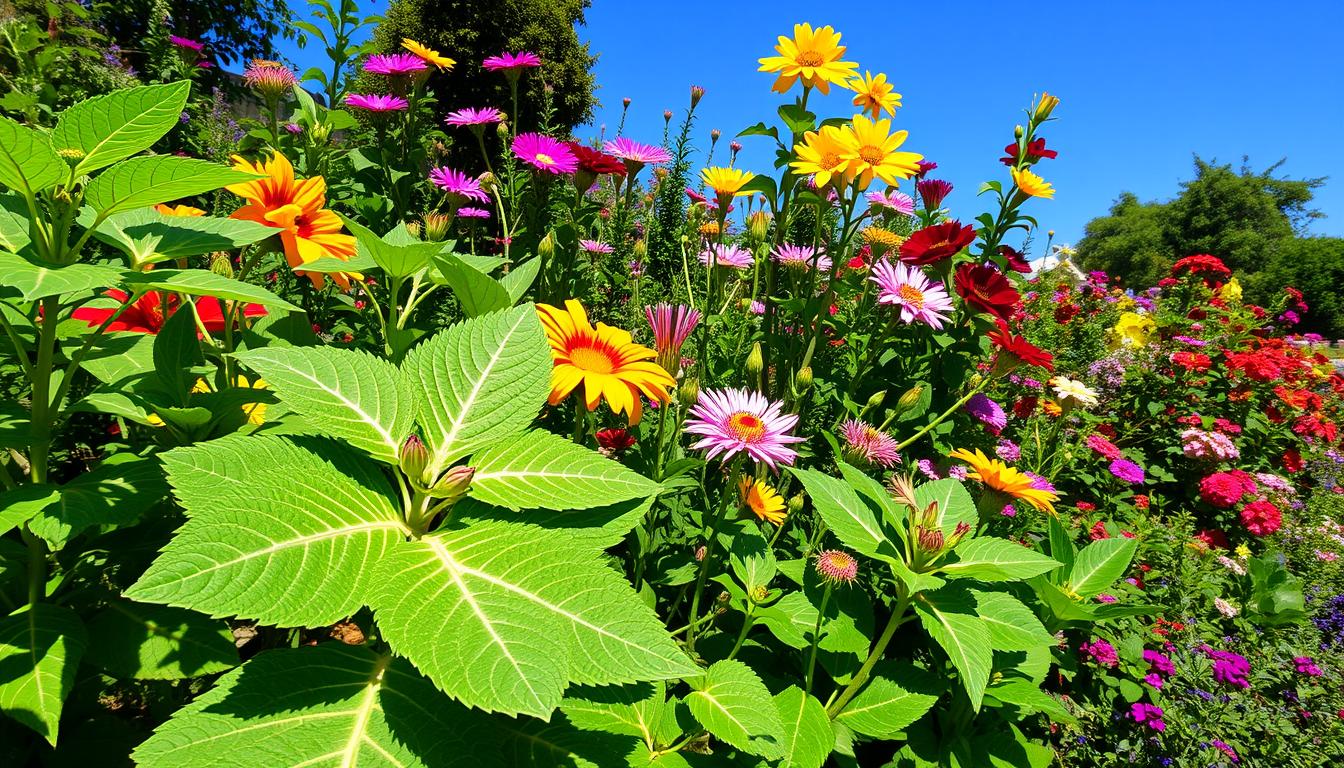
- Netted leaf veins
- Vascular bundles arranged in a ring
- Two cotyledons
- Wider leaves compared to monocots
These traits help us tell dicots apart from monocots. They show the diversity of plant life and why plant classification matters.
Are Spider Plants Monocot or Dicot?
Exploring spider plants leads us to their classification. We find out if they are monocot or dicot by looking at their scientific name. Spider plants are in the family Asparagaceae, which makes them monocots. This is because they have a single cotyledon, parallel leaf veins, and scattered vascular bundles.
Knowing spider plants are monocots helps us understand them better. Monocots grow differently, with leaves and stems coming from a central point. Spider plants show this with their long stems and leaves at the end.
Some key traits of spider plants include:
- Single cotyledon
- Parallel leaf veins
- Scattered vascular bundles
In conclusion, spider plants are classified as monocots based on their scientific features. Knowing this helps us appreciate their unique qualities. By recognizing spider plants as monocots, we can better care for them and enjoy their beauty.
| Plant Family | Number of Species |
|---|---|
| Asparagaceae | 3 |
| Araceae | 34 |
| Arecaceae | 29 |
The Role of Leaves in Classification
Exploring plant classification, I find leaves play a key role. They help tell if a plant is a monocot or dicot. The spider plant’s leaves show it’s a monocot, thanks to its unique structure.
Leaf Structure Differences
Monocot leaves are long and narrow with veins that run in parallel. Dicot leaves, on the other hand, come in various shapes and have netted veins. This difference is vital for classifying plants. For example, the spider plant’s leaves have parallel veins, marking it as a monocot.
How Leaves Indicate Plant Type
Leaves can show if a plant is a monocot or dicot. By looking at the leaf structure, we can figure out the plant’s type. This is important for understanding each plant’s unique traits, like the spider plant’s.
In summary, leaves are crucial in plant classification. Knowing the difference between monocots and dicots helps us identify plant types. This knowledge lets us appreciate the special features of plants, like the spider plant.
Growth Habits of Spider Plants
Exploring spider plants, I find their growth habits fascinating. They thrive in many conditions, making them perfect for beginners. Their scientific classification shows they belong to the Monocots clade, shedding light on their place in the plant kingdom.
Spider plants are loved for their adaptability. They can grow in various light conditions and survive with little water. This makes them ideal for those with busy lives or new to plants. Some interesting facts about spider plants include:
- They can be propagated through plantlets or pups, which can be directly potted into soil or attached to the main plant.
- Spider plants are known for their air-purifying properties, making them a great addition to indoor spaces.
- They come in various varieties, such as Chlorophytum comosum ‘Vittatum’ and Chlorophytum comosum ‘Variegatum’, each with distinct characteristics.
Knowing how spider plants grow is key to caring for them. By understanding their unique needs, you can help your plant flourish. With the right care, spider plants can add beauty and ease to any space.

Benefits of Spider Plants
Spider plants are not just pretty; they also have many benefits. One big spider plant benefit is their ability to clean the air. This makes them a favorite for indoor spaces.
Air Purification
Spider plants are great at purifying the air. They help remove harmful toxins and pollutants. This is good for homes with pets or allergies, as it improves air quality.
Non-Toxic for Pets
Spider plants are also safe for pets. This is great for pet owners who want to keep their plants safe. It ensures pets can be around them without worry.
Some of the key benefits of spider plants include:
- Air purification abilities
- Non-toxic for pets
- Low maintenance and easy to care for
Spider plants are a smart choice for anyone wanting to add greenery to their home. They improve air quality and are easy to care for. Their spider plant benefits and air purification make them a popular pick for indoor spaces.
| Plant Benefits | Description |
|---|---|
| Air Purification | Removes harmful toxins and pollutants from the air |
| Non-Toxic for Pets | Safe for homes with pets |
| Low Maintenance | Easy to care for and maintain |
How to Care for Spider Plants
Spider plants are easy to care for but need some attention. They grow best with the right light and water, and regular fertilization. Spider plants love medium to bright light, making them perfect for sunny rooms. For more tips, check out pink spider plant care guides.
Fertilizing your spider plants is key to their health. Regular fertilization boosts their growth. Here are some fertilizing tips:
- Use a balanced, water-soluble fertilizer to promote healthy growth.
- Fertilize your spider plants during the growing season, which typically takes place in the spring and summer months.
- Avoid over-fertilizing, as this can damage the roots and leaves of your spider plant.
Spider plants are easy to care for when it comes to light and water. They like to dry out a bit between waterings. By following these tips, your plants will thrive. Remember to fertilize regularly and ask for help if you need it.
My Experience with Spider Plants
I love growing houseplants, and spider plants are my favorite. They are tough and easy to care for. They bring joy and wonder to my home.
Tips from My Journey
I’ve learned a lot about spider plants. They do best in bright, indirect light. I place them near sunny windows.
They like soil that drains well and need water when it’s dry. Mist their leaves often to keep them looking green and healthy.
Final Thoughts and Conclusion
Spider plants are not just pretty; they’re also good for you. They clean the air and are safe for pets. They’re perfect for any home, whether you’re new to gardening or not.
With the right care, spider plants can flourish. They add a bit of nature to your space.
FAQ
Are spider plants monocot or dicot?
Spider plants are monocots. They have one seed leaf. This group also includes grasses, lilies, and palms.
What are the key differences between monocots and dicots?
Monocots have one seed leaf and parallel leaf veins. They also have flower parts in sets of three. Dicots have two seed leaves, netted veins, and flower parts in sets of four or five.
Why is plant classification important?
Plant classification helps us understand plant relationships and evolution. It aids botanists and gardeners in identifying and organizing plants by their traits and genetics.
What are the characteristics of spider plants?
Spider plants have beautiful leaves and produce plantlets for new plants. They are easy to care for, making them great for all gardeners.
What are the key features of monocots?
Monocots have one seed leaf and parallel veins. They also have scattered vascular bundles. Examples include grasses, lilies, and palms.
What are the key features of dicots?
Dicots have two seed leaves and netted veins. They have vascular bundles in a ring. Examples include roses, oak trees, and tomatoes.
How do leaves indicate the type of plant?
Leaves show if a plant is a monocot or dicot. Monocots have parallel veins, while dicots have netted veins.
How do spider plants grow and adapt?
Spider plants are adaptable and easy to grow. They thrive in various conditions and produce plantlets for new plants.
What are the benefits of spider plants?
Spider plants purify the air and are safe for pets. They remove harmful toxins and are non-toxic to animals.
How do I care for a spider plant?
Spider plants need medium to bright light and regular fertilizer. Water them when the soil is slightly dry. They are low-maintenance.
Related Posts
 Plant Life & Guides
I’ll Explain: Are Pothos Toxic to Cats?
Discover if pothos plants are toxic to cats. I'll explain the risks and how to keep your feline friend safe.
Bloomy Indoor
• Jan 9, 2025
• 11 min read
 Plant Life & Guides
Is My Dog Safe Around Spider Plants? I’ll Explain.
Is that spider plant a danger to your furry friend? I'll walk you through what you need to know in this informative article about are spider plants poisonous to dogs.
Bloomy Indoor
• Jan 30, 2025
• 12 min read

