Last Updated at Apr 5, 2025 by Bloomy Indoor - 12 min read
Pothos vs Philodendron: How I Tell These Plants Apart
As a plant parent, it's important to know the differences between pothos and philodendron. I share my top tips for telling these common houseplants apart.
Table of Contents
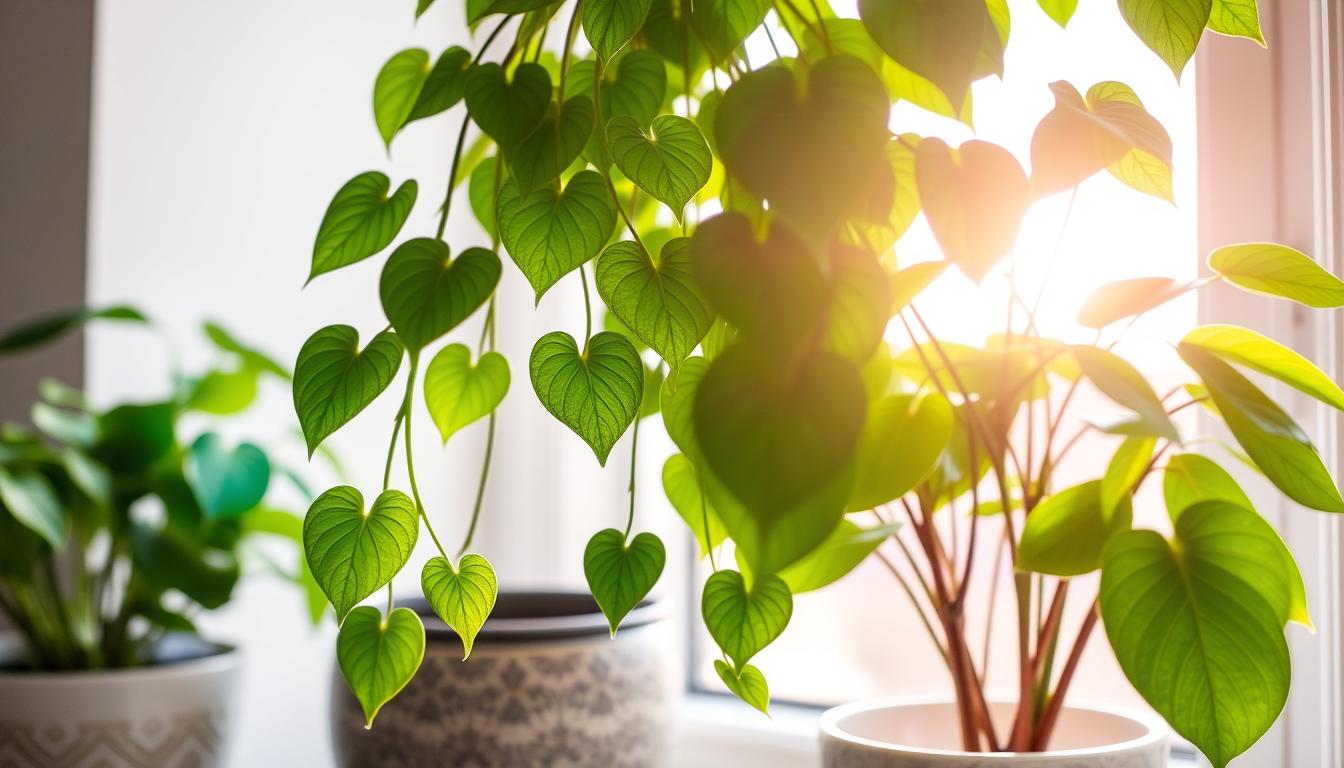
As a plant lover, I’ve often wondered about the differences between pothos and philodendron. These two plants are often mixed up, but they have unique features. They both have heart-shaped leaves and grow as vines, making them perfect for indoor spaces. But what makes them different? Let’s explore the world of pothos vs philodendron together.
We’ll look at their special traits, how they grow, and what they need to thrive. This will help you choose the best plant for your home.
Key Takeaways
- Understanding the differences between pothos and philodendron is crucial for proper plant care and maintenance.
- Pothos and philodendron are both low-maintenance houseplants with similar needs for light, soil, water, and temperature.
- Philodendron leaves are thinner and smoother, while pothos leaves are thicker and waxy.
- Pothos plants are more forgiving of dry conditions, while philodendron tolerates being root-bound more than other houseplants.
- Both plants are toxic to dogs and cats, but pothos plants can purify the air.
- Pothos and philodendron have different growth habits, with pothos preferring warmer and more humid temperatures.
Understanding Pothos and Philodendron: A Closer Look
Exploring houseplants, I found that pothos and philodendron are often mixed up. They are different plants with unique traits. Both are loved for their long vines and heart-shaped leaves, perfect for indoor spaces.
Both plants are easy to care for and can handle different light levels. Pothos likes bright, indirect light but can also do well in low light. Philodendron also prefers similar light conditions. It’s important to use well-draining soil to prevent root rot.
Pothos and philodendron differ in leaf color and shape, aerial roots, and more. Pothos leaves are brighter green, while philodendron leaves are deeper green. With the right care, both plants can thrive, making them great for all plant lovers.
What is Pothos?
Pothos (Epipremnum aureum) is a low-maintenance plant with heart-shaped leaves. These leaves often have yellow or white spots. Native to French Polynesia, pothos can grow quite large, up to 20-40 feet, and prefers humid environments.
What is Philodendron?
Philodendron (Philodendron hederaceum var. oxycardium) is a favorite houseplant with heart-shaped leaves. These leaves are usually green. Native to Central and South America, philodendron can reach 10-20 feet tall and likes similar light to pothos.
Distinguishing Features Between Pothos and Philodendron
Identifying the differences between pothos and philodendron involves several key factors. One major difference is in their leaf shape and texture. Pothos leaves are thicker and waxy, while philodendron leaves are thinner and smooth. Knowing this helps you figure out what plant you have.
Pothos plants grow more compactly, while philodendron plants can get quite large. This is important when choosing where to put your plant. Pothos also comes in many colors, like yellow or white, adding a splash of color to any room.
Leaf Characteristics
Pothos leaves are heart-shaped but not as much as philodendron leaves. They have a bumpy, waxy texture. Philodendron leaves are more pointed and smooth. These differences help you tell the plants apart.
Growth Habits
Pothos plants have long, trailing vines that can grow up to 20-40 feet. Philodendron plants grow more upright and can reach 20 feet tall. Knowing how each plant grows helps you care for them better.
Color Variations
Both pothos and philodendron plants come in green, white, and yellow. But philodendron plants have more vibrant colors like pink, brown, and orange. These colors add interest and make your plants stand out.

By looking at leaf shape, growth habits, and color, you can tell pothos from philodendron. This knowledge helps you care for your plants and enjoy their unique qualities.
Light and Watering Needs
Pothos and philodendron have different needs when it comes to light and watering. Pothos can grow well in low light, perfect for dimly lit rooms. Philodendron, on the other hand, likes brighter light and can handle some direct sun.
Both plants need regular watering. But pothos can handle it if the soil gets a bit dry. Here are some important care tips:
- Pothos plants prefer medium indirect light for optimal growth.
- Philodendron plants thrive in medium indirect light, though some variegated varieties may require brighter light to maintain their colors.
- Both plants should be irrigated thoroughly when the soil is dry.
Remember, both plants love more humidity. You can add moisture with misting or a humidity tray. By following these care tips and understanding their light and watering needs, your plants will thrive and look great.
| Plant | Light Requirements | Watering Needs |
|---|---|---|
| Pothos | Low-light to medium indirect light | Allow soil to dry out between waterings |
| Philodendron | Medium indirect light to bright light | Water thoroughly when soil is dry |
The Perfect Indoor Environment
To make a great indoor space for pothos and philodendron, think about the temperature and humidity. These plants like it between 65-75°F (18-24°C) and 40-60% humidity. You can keep the temperature steady by placing them in a room with a constant temperature. Use a humidifier to keep the humidity right.
Pothos and philodendron are great at cleaning the air. They remove pollutants from carpets, furniture, and more. NASA says you need at least 15 plants for a 2,000 square foot home. This shows how good pothos and philodendron are at purifying the air.
Ideal Temperature
The best temperature for pothos and philodendron is 65-75°F (18-24°C). This helps them grow well and stay healthy. Also, philodendrons can handle cooler temperatures better than pothos.
Humidity Levels
Humidity is key for pothos and philodendron. They do best in 40-60% humidity. You can use a humidifier or put them on a tray with water and pebbles.
By making the perfect indoor space, your pothos and philodendron will thrive. They’ll purify the air and add beauty to your home. With the right temperature and humidity, your plants will be happy and healthy. Enjoy the beauty and freshness they bring to your space.
| Plant | Ideal Temperature | Ideal Humidity Level |
|---|---|---|
| Pothos | 65-75°F (18-24°C) | 40-60% |
| Philodendron | 65-75°F (18-24°C) | 40-60% |
Common Varieties of Pothos
Pothos plants are popular for their many colors and patterns. They come in varieties like golden pothos, marble queen pothos, and neon pothos. These plants add elegance to any room with their unique leaves.
The golden pothos stands out with its yellow or white heart-shaped leaves. The marble queen pothos has creamy white markings on its leaves. For a bold look, try the neon pothos with its bright pink or red leaves.
| Variety | Leaf Color | Pattern |
|---|---|---|
| Golden Pothos | Green with yellow or white markings | Heart-shaped leaves |
| Marble Queen Pothos | Green with creamy white markings | Heart-shaped leaves |
| Neon Pothos | Green with bright pink or red markings | Heart-shaped leaves |
These pothos varieties are easy to care for. They can grow well in different lighting, making them perfect for indoor gardens. Additionally, their resilient nature allows them to thrive even with minimal attention, making them ideal for beginners and busy plant enthusiasts alike. Among the best pothos varieties for home, you’ll find the classic green pothos, known for its heart-shaped leaves, as well as the striking marble queen, which features beautiful variegation. Both of these options not only enhance your decor but also purify the air, contributing to a healthier living environment.
Popular Philodendron Varieties
There are many philodendron varieties that catch the eye. The heartleaf philodendron, split leaf philodendron, and brazilian philodendron are favorites. They are not only stunning but also simple to care for, ideal for indoor gardens.
Knowing what each variety needs is key to philodendron care. The heartleaf philodendron has heart-shaped leaves. The split leaf philodendron’s leaves are split into lobes. The brazilian philodendron’s leaves are uniquely rounded. For more on the differences between pothos and philodendron, check out this resource.
Some key traits of these philodendrons include:
- Heartleaf philodendron: heart-shaped leaves, easy to train on a trellis
- Split leaf philodendron: split leaves, can grow quite large
- Brazilian philodendron: unique, rounded leaves, prefers bright, indirect light

Philodendron varieties like the heartleaf, split leaf, and brazilian philodendron are great for indoor gardens. By understanding their unique traits and needs, you can pick the perfect philodendron to beautify your space.
Common Care Tips
As a plant lover, I’ve found that the right care is key for my pothos and philodendron. They love soil that drains well and is full of organic matter. This stops waterlogged soil and root rot. I use a balanced fertilizer during the growing season to feed them.
To keep my plants happy, I follow some easy tips. I use a potting mix made for indoor plants. I also fertilize them often with a balanced fertilizer. Here are more tips to remember:
- Water your plants when the top soil feels dry and dusty
- Let the soil dry out a bit between waterings to avoid root rot
- Give your philodendron bright, indirect light and your pothos low to bright indirect light
- Keep the temperature between 65-75°F (18-24°C) for best growth
By following these tips and using the right soil, your plants will do great. Don’t forget to fertilize them often and give them the right light and water. With proper care, your plants will stay healthy and keep growing.
| Plant | Soil Recommendations | Fertilizing Schedules |
|---|---|---|
| Pothos | Well-draining potting mix | Balanced fertilizer during growing season |
| Philodendron | Well-draining potting mix | Balanced fertilizer during growing season |
Potting and Repotting
As I care for my pothos and philodendron, I’ve learned potting and repotting are key. Both need fresh soil and a bigger pot every 1-2 years or when they outgrow their space.
Choosing the right pot is crucial for repotting. The new pot should be only a bit bigger than the old one to avoid too much water. Also, a pot with drainage holes is essential to prevent waterlogging and root rot.
Repotting Tips
- Water the plant well the day before repotting to reduce stress
- Tease the roots loose and make incisions in the root ball before transplanting
- Water the soil immediately after repotting to help the plant establish new roots
By following these tips and repotting regularly, my plants stay healthy and strong. Remember to pick a pot that’s just a bit bigger and has drainage holes. With the right care, your pothos and philodendron will thrive for years.

| Plant | Repotting Frequency | Pot Size |
|---|---|---|
| Pothos | Every 1-2 years | Slightly larger than previous pot |
| Philodendron | Every 2-3 years | 2 inches bigger in diameter than current pot |
Troubleshooting Plant Problems
As a plant lover, I’ve faced many troubleshooting challenges with my pothos and philodendron. These plants can get pests, diseases, and lack nutrients. This can cause many plant problems. To avoid these, it’s key to give the right care tips and keep things clean.
Common issues with these plants include spider mites, mealybugs, and root rot. Checking your plants often and acting fast can stop these problems. For more tips on caring for your plants, check out this resource for info on pothos and philodendron care.
Common Pothos Issues
Pothos plants often get yellow leaves, which means they might be getting too much water or need more nutrients. To fix this, change how often you water and feed your plant with a balanced fertilizer.
Common Philodendron Issues
Philodendron plants can drop leaves if they don’t get enough water or if it’s too dry. To stop this, make sure your plant gets enough water and keep the air around it humid.
By following these care tips and watching out for plant problems, you can keep your pothos and philodendron happy and healthy. Always be ready to act fast if you see any trouble to avoid bigger problems.
| Plant | Common Issues | Solutions |
|---|---|---|
| Pothos | Yellowing leaves | Adjust watering schedule, fertilize |
| Philodendron | Leaf drop | Ensure adequate water, maintain humidity |
My Personal Experience with Pothos and Philodendron
I love growing plants, and pothos and philodendron are my favorites. They are easy to care for and can grow well in different light conditions. A key care tip is to water them often but not too much, to avoid root rot.
I adore the golden pothos and neon pothos, and the heartleaf philodendron is my top pick. These plants not only look great but also make my home feel calm and peaceful. Here are some gardening tips I’ve picked up:
- Provide bright, indirect light for your pothos and philodendron plants.
- Fertilize your plants regularly to promote healthy growth.
- Prune your plants to maintain their shape and encourage new growth.
By following these tips, you can enjoy the beauty and benefits of pothos and philodendron at home. With a bit of practice and patience, you’ll become a pro at growing these amazing plants.
Conclusion: Choosing the Right Plant for You
Pothos and philodendron plants are both great for indoor spaces. They have different needs and looks, making them perfect for various tastes. Think about their growth, light needs, and care when deciding.
Making the Best Choice
For a low-maintenance, trailing plant, pothos is a good pick. It has heart-shaped leaves and can grow long. It looks great in any light.
If you want a plant that stands tall and looks lush, philodendron is better. It has big, shiny leaves and works well in different lights.
Enjoying Your Indoor Oasis
Choosing between pothos and philodendron brings joy to your home. With the right care, these plants can thrive. They clean the air and add green beauty to your space.
Let these plants make your home a peaceful, green oasis. They inspire you to create a beautiful indoor space.
FAQ
What are the main differences between pothos and philodendron?
Pothos and philodendron plants differ in several ways. Pothos leaves are thicker and waxy, while philodendron leaves are thinner and smoother. Pothos grow more compactly, whereas philodendrons can get quite large.
How do the lighting and watering needs differ between pothos and philodendron?
Pothos plants do well in low light, making them perfect for dimly lit rooms. Philodendrons, on the other hand, need brighter light and can handle some direct sunlight. Both plants need consistent watering, but pothos can handle drier soil better.
What are some popular varieties of pothos and philodendron?
Popular pothos varieties include golden pothos, marble queen pothos, and neon pothos. For philodendrons, heartleaf philodendron, split leaf philodendron, and Brazilian philodendron are favorites. Popular pothos varieties include golden pothos, marble queen pothos, and neon pothos. For philodendrons, heartleaf philodendron, split leaf philodendron, and Brazilian philodendron are favorites.
How should I care for pothos and philodendron plants?
Both plants prefer well-draining soil with organic matter. They need regular fertilizing during the growing season. When repotting, choose a pot only slightly larger than the old one to avoid wet soil.
What are some common issues that can affect pothos and philodendron plants?
Pothos and philodendron plants can face issues like spider mites, mealybugs, and root rot. Keeping your plants clean and using clean tools can help prevent these problems.
Related Posts
 Plant Care & Maintenance
Pothos Plant Light Requirements: What You Need to Know
Discover the ideal light conditions for your pothos plant. Learn how to keep your pothos thriving with our expert tips.
Bloomy Indoor
• Jan 2, 2025
• 7 min read
 Plant Life & Guides
Proven Winners Feeling Flirty Tradescantia Care
Learn how to effortlessly care for the stunning Proven Winners Feeling Flirty Tradescantia and enjoy its vibrant blooms.
Bloomy Indoor
• Feb 4, 2025
• 12 min read

